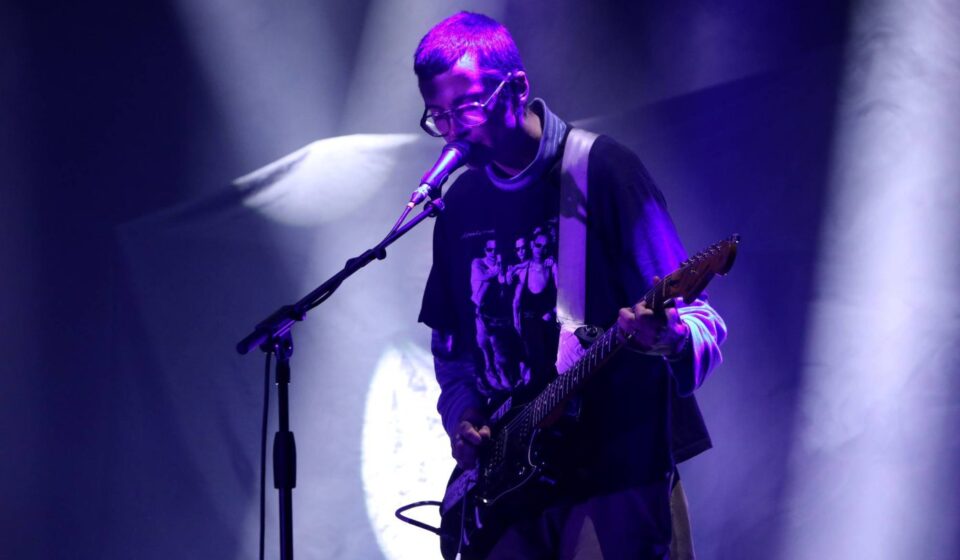
DIIV’s Zachary Cole Smith, one year after the LA wildfires: “It feels like swimming in trauma”
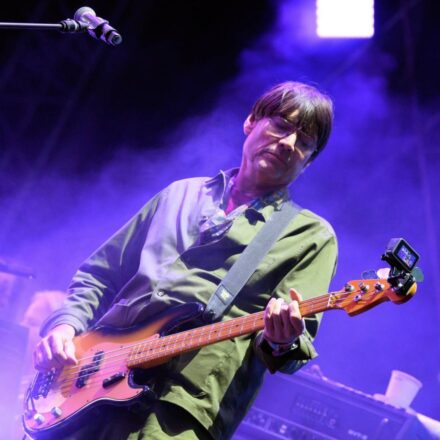
A year after wildfires reduced his family home to ashes, DIIV frontman Zachary Cole Smith has spoken about living through what he describes as a constant state of emotional aftermath — “like swimming in trauma”.
Smith lost his house in January 2025 when the Eaton wildfire tore through large parts of Altadena, a neighbourhood in Los Angeles that was among the hardest hit. Looking back on the experience 12 months later, he reflects on the long psychological toll of the disaster, admitting that it’s something he expects will take a lifetime to fully understand. At the same time, he points to the strength and solidarity shown by the local community as a rare source of light in an otherwise devastating chapter.
The fires, which ignited on January 7, 2025, became the deadliest and most destructive wildfires in the region’s history. By the time they were finally contained, they had been linked to more than 400 indirect deaths and caused an estimated $135–150 billion in damage, leaving entire neighbourhoods erased and thousands of families displaced.
Los Angeles’ creative community was particularly affected. Thousands of musicians, technicians and industry workers were left without homes, equipment or income, with relief organisations stepping in to provide emergency financial assistance to those impacted.
Smith was among more than 200,000 residents forced to evacuate as multiple fires spread rapidly across the city in the first week of the disaster. At the time, his wife Dani was seven months pregnant, and the couple were caring for their two-year-old son. With little warning, they fled to a nearby hotel, watching from afar as the Eaton fire advanced through their neighbourhood. Within a day, their home had been completely destroyed.
Reflecting on the past year, Smith explains that recovery has been far from straightforward. Beyond the immediate loss of a house and possessions, he says the deeper challenge has been living with the lingering sense of shock, grief and dislocation that never fully lifts. For many affected families, rebuilding isn’t just about bricks and paperwork, but about learning how to exist after a sudden rupture to everyday life.
Despite the hardship, Smith speaks with admiration about the people around him — neighbours helping neighbours, strangers offering support, and communities finding ways to care for one another amid shared loss. That collective resilience, he suggests, has been essential in surviving the year that followed.
Even so, the trauma remains unresolved. For Smith and countless others, the fires are not a closed chapter but an ongoing reality, one that reshaped their lives in ways that can’t easily be measured or repaired. One year on, the flames may be gone, but the impact still lingers — emotional, physical and deeply personal.