
Giles Martin on revitalising The Beatles’ ‘Anthology’: “It shows just how human they really were”
Giles Martin has reflected on the process of breathing new life into The Beatles’ landmark Anthology project, as a newly restored edition of the documentary series and an expanded music collection prepare to reintroduce the band’s story to a new generation.
When Anthology first emerged in the mid-1990s, it arrived as both a multi-part television documentary and a trio of albums that offered fans unprecedented access to the band’s archives. It also marked the first time new Beatles recordings had appeared since the death of John Lennon, with Paul McCartney, George Harrison and Ringo Starr completing “Free As A Bird” and “Real Love” from Lennon’s demos. Those releases reshaped how the group’s history was understood, shifting the narrative from myth to memory.
Now, nearly three decades later, the project has been revisited in depth. The documentary series has been meticulously restored and remastered, with the addition of a brand-new ninth episode. The restoration work was carried out by Apple Corps’ production team in collaboration with technicians at Peter Jackson’s Park Road Post facility in Wellington, New Zealand, applying modern tools to footage originally captured on 1990s video formats.
Alongside the refreshed series, The Anthology Music Collection has returned in a newly remastered form. Originally curated by George Martin, the collection has now been revisited by his son Giles, who has overseen the remastering of the three double albums and compiled an additional fourth instalment. Anthology 4 brings together 13 previously unheard demos and session recordings, as well as newly mixed versions of “Free As A Bird” and “Real Love”.
According to Martin, the technical upgrades are immediately noticeable, but the emotional impact runs deeper than improved picture or sound quality. The renewed Anthology experience, he says, reinforces the sense that The Beatles were ultimately four people figuring things out together.
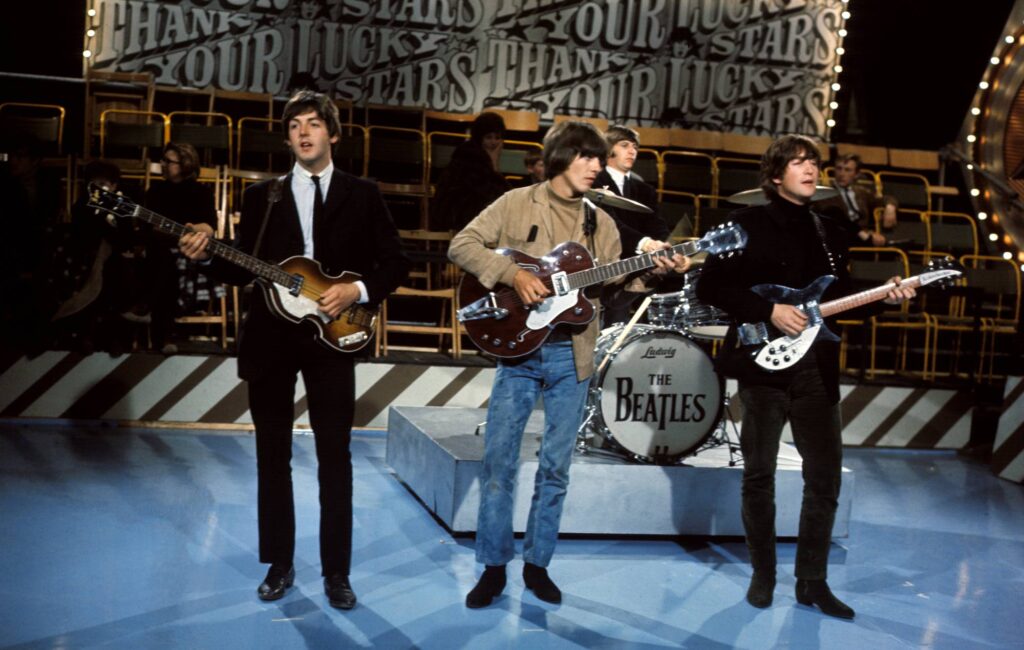
When the series first aired, Martin explains, it arrived in a very different cultural climate. For years beforehand, there had been relatively little public discussion of the band as a living, breathing entity. Revisiting the material now, with decades of hindsight, highlights just how instinctive their process was. They wrote songs, sang them, recorded them, and released them, without the layers of branding, market testing or industrial machinery that define much of today’s music world.
Working on the music anew has underscored that simplicity. For Martin, the greatest revelation comes from hearing the band stripped back to their essentials: four voices, a room, and a shared sense of curiosity. The outtakes, false starts and conversations preserved on the recordings capture that immediacy, showing creativity in motion rather than as a polished end product.
The newly added ninth episode places particular focus on the surviving members coming back together in the 1990s. Martin notes that, at the time, their perspective on The Beatles legacy was still evolving. In earlier years, even within his own family, the subject of The Beatles could feel distant or avoided, tied firmly to the past rather than the present. With time, that relationship softened. Today, McCartney and Starr speak more openly and generously about the band, recognising its central importance in their lives and careers.
This shift in outlook lends the unseen footage a warmer tone. There is less rivalry, more reflection, and a palpable sense of affection for absent bandmates. Martin points out that the new material reveals not only collaboration, but also loss: the feeling that something irreplaceable has gone, and is deeply missed.
That emotional awareness carries into Anthology 4. Martin says his approach was never about presenting pristine artefacts, but about recreating the feeling of being there in the moment. He gravitates toward recordings that expose the creative process in real time: half-formed ideas, laughter between takes, and the fragile space where songs first come into being. Even imperfect performances hold value, because they reveal the relationships and trust that powered the band.
Rather than polishing the material into something overly refined, Martin aimed for immediacy. The goal was closeness, not gloss. Hearing early takes or rough demos allows listeners to appreciate the raw talent at work and the speed with which ideas became enduring music.
Asked whether there is still more to uncover in The Beatles’ archives, Martin is cautious. He believes much of what truly matters has already been shared, and that endless excavation risks diluting the emotional core. For him, projects like the renewed Anthology succeed because they prioritise feeling over novelty.
He also addressed the frequent misunderstandings around the role of artificial intelligence in recent Beatles projects. Martin stresses that the technology has been used to restore and clarify existing recordings, not to fabricate new performances. By separating instruments and voices more precisely, the tools allow buried details to surface without altering the original intent. Noise, hiss and imperfection remain part of the sound, because they belong to the era and the experience.
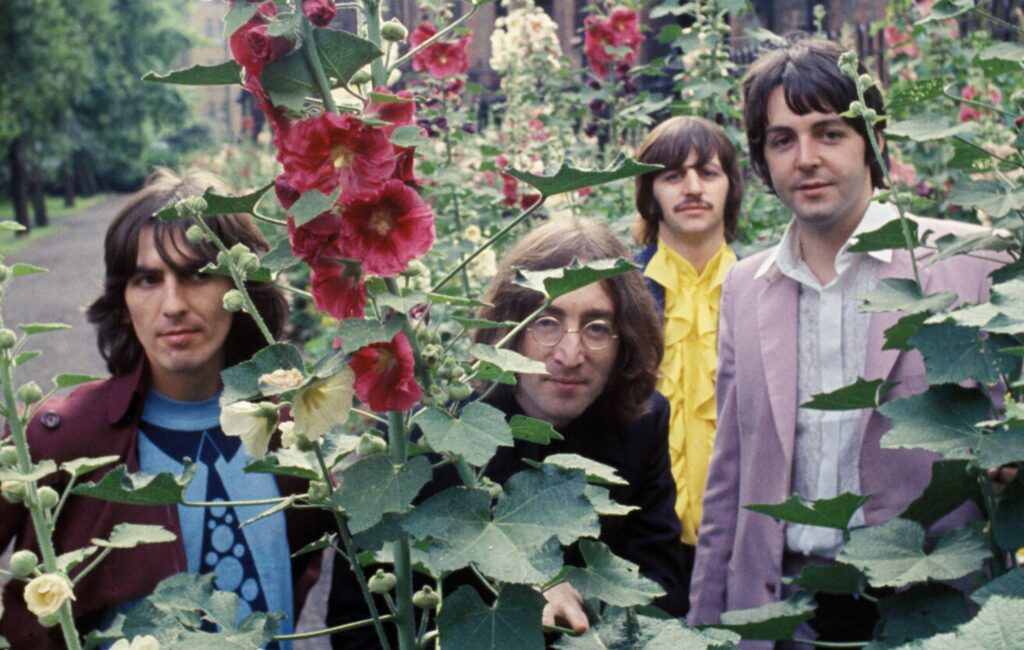
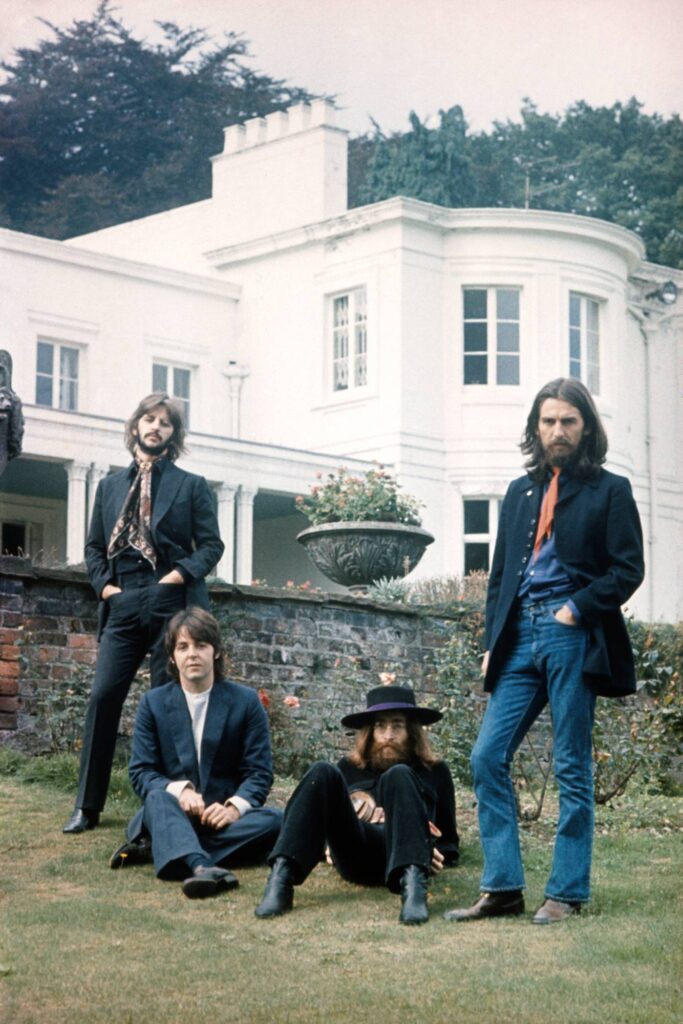
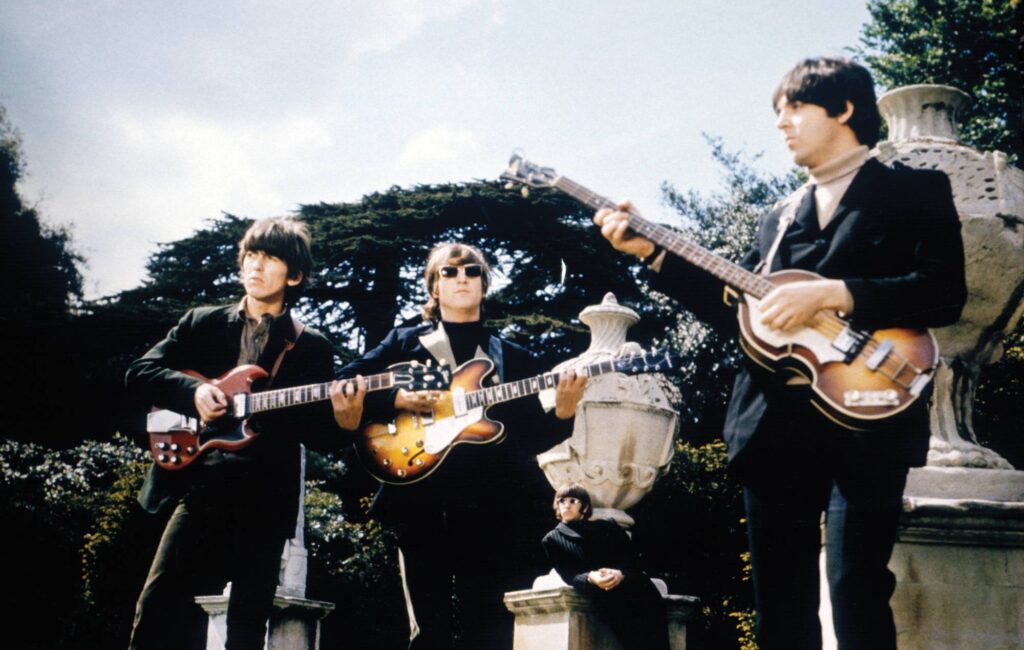
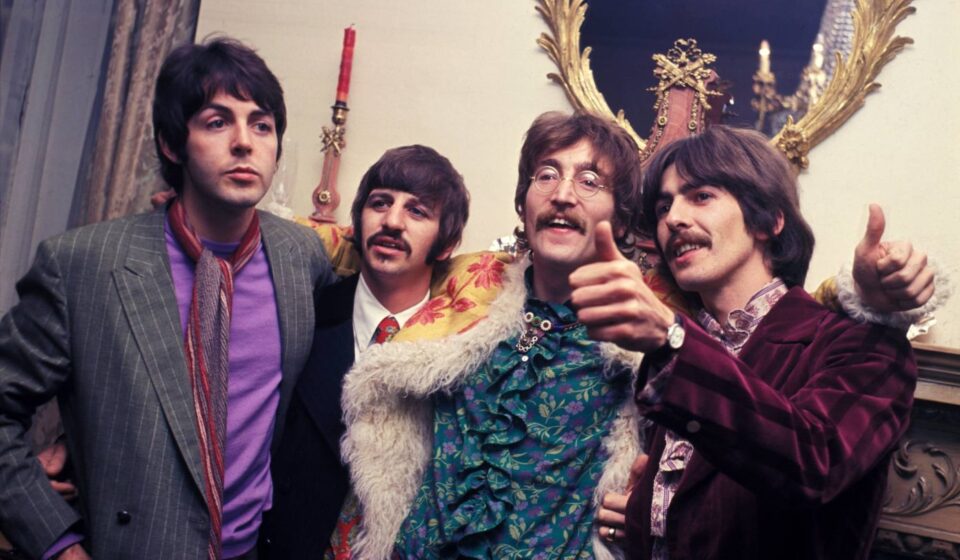
Ultimately, Martin sees all this work as an attempt to bring people closer to what The Beatles actually were: not untouchable legends, but musicians reacting to one another in real time. The more that humanity is revealed, the stronger the connection becomes.
In his view, that is the true purpose of revisiting Anthology now. It is less about adding to a catalogue, and more about reminding listeners that behind the scale and mythology were four friends, navigating creativity, pressure and friendship together — and leaving behind music that still feels alive because of it.