Seven Takeaways From the 2026 Grammy Nominations
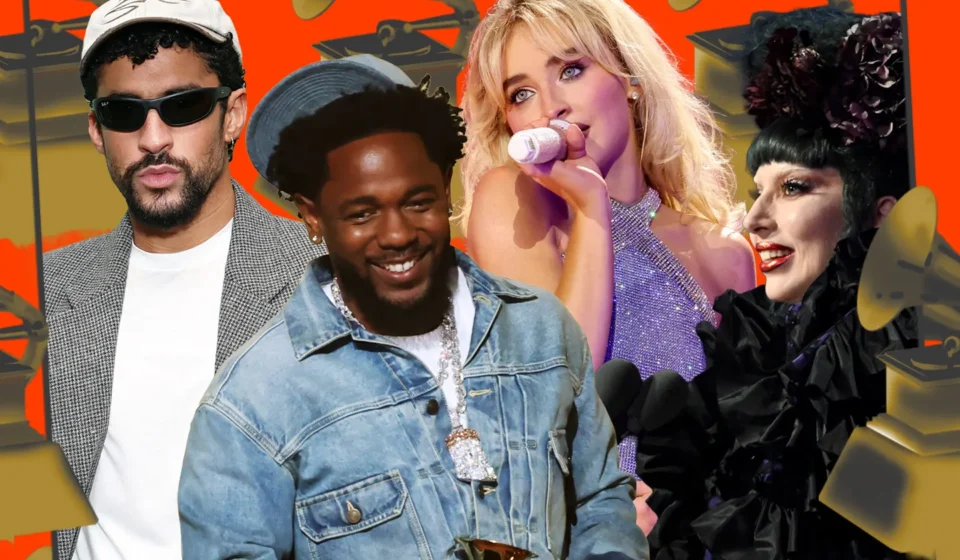
The nominations for the 2026 Grammy Awards were revealed today, sketching a familiar yet uneven picture of the current musical landscape. Kendrick Lamar leads the pack, with Lady Gaga close behind, alongside producers Jack Antonoff and Cirkut. The list blends fresh faces—such as Best New Artist contenders Addison Rae and Leon Thomas—with long-established names like Tyler, the Creator and Turnstile. Below are several key observations that stand out from this year’s nominations.
Table Of Content
Where Do Tyler, the Creator and Turnstile Even Fit?
When Tyler, the Creator accepted the Best Rap Album award for Igor in 2020, he openly criticized how genre boundaries are enforced. He questioned why artists who look like him are so often confined to rap categories, even when their work pushes far beyond them, describing the designation as feeling less like recognition and more like a subtle slight.
Half a decade later, his complaint has been partially answered—though not cleanly. Alongside nominations in major categories, including Album of the Year and Best Rap Album for Chromakopia, Tyler also appears in the Best Alternative Music Album category for Don’t Tap the Glass, a record inspired by 1980s dance culture. The classification feels awkward: the album shares far more DNA with club-oriented pop than with most contemporary alternative rock. The nomination suggests an underlying assumption that a rapper can’t simply make a dance album—only something defined as “alternative” relative to their past work. It reflects how institutional thinking still struggles to imagine artists outside the lanes they first occupied.
Turnstile, meanwhile, find themselves scattered across categories. Songs from Never Enough earned nods in Best Rock Performance, Best Alternative Music Performance, and Best Metal Performance, while the album itself sits in Best Rock Album. In their case, the genre sprawl reads less like confusion and more like broad acceptance. Since Glow On, the band has steadily crossed boundaries, and the nominations reflect how widely their sound has been embraced—even by traditionally conservative tastemakers.
From Short-Form Fame to Best New Artist
The eight Best New Artist nominees this year form a predictable but telling lineup. Pop breakout Addison Rae, R&B singer Leon Thomas, emo-leaning Sombr, and K-pop-inspired Katseye all make appearances, joined by British vocalists Olivia Dean and Lola Young, chart-topping Alex Warren, and Los Angeles band the Marías, whose recent surge followed a high-profile festival performance.
What ties nearly all of them together is short-form video. Every nominee has benefited from viral traction, particularly on social platforms that reward immediacy and repetition. Some originated directly as creators before pivoting into music; others found their breakthrough through clips that spread faster than traditional singles ever could. The takeaway is hard to ignore: visibility now often precedes legitimacy. Whether the eventual winner reflects lasting artistry or just algorithmic momentum remains an open question.
Billie Eilish Gets Nominated Anyway
One lingering question resurfaces every year: how closely do Grammy voters actually follow new releases? Billie Eilish’s presence in top categories this cycle reignites that debate. Despite not releasing a new album this year, her song “Wildflower”—a late single from her previously nominated Hit Me Hard and Soft—secured spots in both Record and Song of the Year.
The track itself is understated and effective, but its nomination feels almost automatic, as if her name alone carries enough weight to warrant recognition. The timing and effort involved are minimal compared to artists who released full projects this year, raising the suspicion that familiarity often outweighs novelty when ballots are filled out.
Leon Thomas Levels Up
One certainty in the current musical climate is the ubiquity of Leon Thomas’ “Mutt.” Once known primarily as a former child actor who quietly wrote songs for major pop stars, Thomas has completed a seamless transition into a leading figure of contemporary R&B. His rise was accelerated by a stripped-back live performance that reframed the song as something timeless rather than trendy.
That version, not the studio recording, earned a nomination for Best R&B Performance—one of six nods he received, including major categories. His appeal lies in how comfortably his music fits the academy’s tastes: smooth, soulful, polished, and accessible. It’s a sound that bridges generations, and the recognition suggests he’s now firmly positioned as a long-term presence rather than a passing success.
Electronic Music Still Feels Stuck
The dance and electronic categories continue to lag behind the genre’s actual innovation. This year’s nominees for Best Dance/Electronic Recording feel like a time capsule rather than a reflection of what’s currently shaping clubs and underground scenes. Familiar names dominate—artists who have already been rewarded multiple times—while newer, more experimental voices remain absent.
There are exceptions: album nominations for artists like PinkPantheress and FKA twigs signal some openness, perhaps aided by lighter competition than they’d face in pop categories. Still, the overall picture suggests a narrow, risk-averse understanding of electronic music, one that prioritizes recognizability over curiosity.
Rap Categories Remain Comfortably Conservative
The Best Rap Album field holds few surprises, with the most unexpected inclusion being JID’s God Does Like Ugly. In hindsight, it makes sense. JID has become a standard-bearer for technically proficient, lyrically dense rap that aligns neatly with long-standing institutional preferences. His versatility—able to trade bars with veterans or slot into contemporary platforms—makes him an ideal candidate for recognition.
The broader rap categories reinforce this conservatism. Melodic rap, for instance, continues to be defined narrowly, favoring rappers who use traditional R&B hooks rather than those who blur the line between singing and rapping. The nominations suggest that, despite shifts in the genre itself, the academy still gravitates toward familiar frameworks.
Album Artwork Finally Gets Its Moment
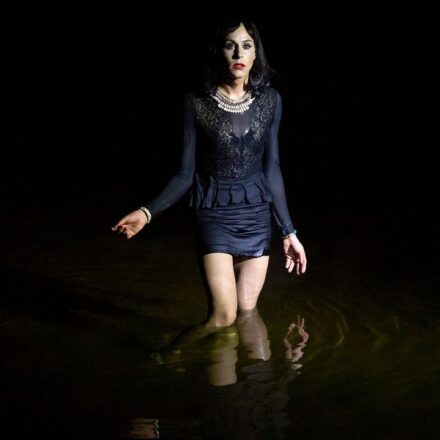
With the introduction of a standalone Best Album Cover category, visual presentation finally receives focused attention. The inaugural slate is encouraging, spotlighting artwork that feels intentional rather than ornamental. From nostalgic imagery that hints at cultural displacement to unsettling, stylized portraits that mirror the music’s mood, the nominees demonstrate a genuine range of visual storytelling.
Some covers evoke eerie surrealism; others lean into personal or political subtext. The category’s debut suggests a recognition that album art remains a vital extension of an artist’s vision, not just packaging. If judged thoughtfully, it could become one of the more creatively rewarding honors on the Grammy slate.