
The BPM – Sudan Archives
2025
Sudan Archives has always framed her albums with bold symbols—first a Greek deity, then a crowned outsider—but bravado has never fully masked the uncertainty threaded through her work. Now 31, the self-taught violinist continues to balance swagger with vulnerability, letting confidence crack just enough to reveal what’s underneath. When she declared “I’m not average” on Natural Brown Prom Queen, it felt less like a flex than a defense mechanism—one no one seriously questioned, given her singular way of folding raw musicianship into pop’s margins.
Her third album, The BPM, stages a collision between desire and doubt. On the surface, it’s packed with boasts: money, momentum, status. “I got a big bankroll,” she brags at one point, turning wealth into a kind of talisman. But beneath the pulse of club-ready beats, a quieter sadness keeps creeping in. Tracks surge forward with house rhythms only to sag under their own emotional weight, as if the night is always on the verge of ending too soon. On “Los Cinci,” she admits, “Sometimes I can get real low but I am high right now,” a line that captures the album’s constant emotional snapback. Even before she says it outright, the production gives her away—those relentless kicks and ticking hi-hats hum with unease.
Anyone familiar with long nights spent inside house and techno knows that repetition can exhaust as easily as it can liberate. The BPM lives in that tension. Sudan sings about nonstop motion—being out, being seen, being untouchable—but the thrill is laced with anxiety. On “Touch Me,” her falsetto floats over the beat as she lists drugs like accessories, then quietly adds, “I believe,” as if trying to convince herself. “A Bug’s Life” sketches a lover who can’t turn back or return home; what starts as affectionate observation slowly hardens into something heavier, especially as the track’s wailing house influences pile on. Over time, the characters in these songs mistake speed for fulfillment, then half-smile at the realization that they’re still empty.
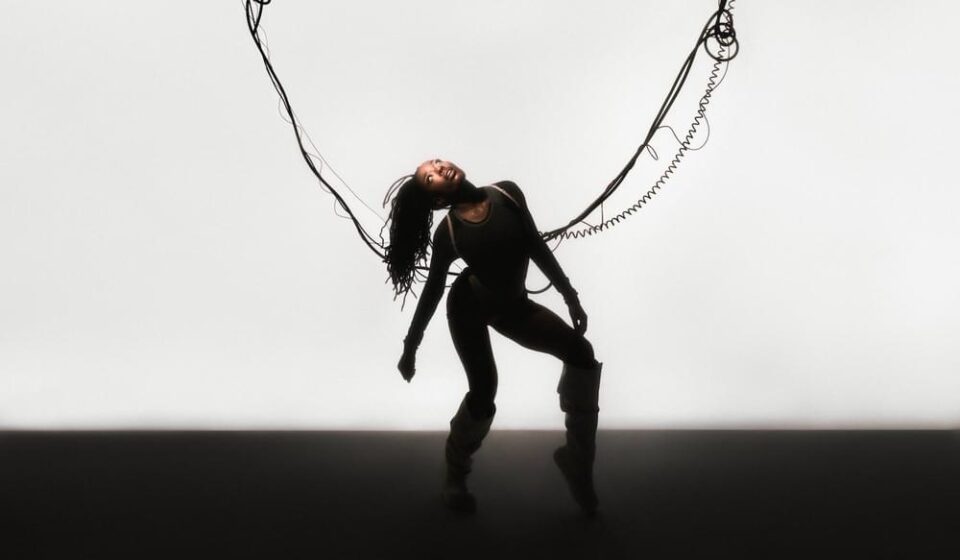
Technically, the album isn’t futuristic in a glossy sense. Sudan relies on rough-edged tools—an old Roland SP-404, software that mirrors classic Chicago house and Detroit techno machines—rather than bleeding-edge gear. The people around her are just as close to home: her twin sister, cousins, and longtime collaborators from the Midwest. Even as she introduces a semi-sci-fi alter ego, “Gadget Girl,” The BPM is deeply rooted in memory and community. Tracks constantly interrupt their own hypnosis with acoustic hits, improvised percussion, sudden breakbeats, or chopped, wordless vocals. For all its hedonistic framing, the album is emotionally alert.
The years since her last release brought major change. A long relationship ended; a shared home was left behind. With that rupture, Sudan stepped away from the incense-heavy intimacy of her earlier work and leaned into dance music as confession. The BPM traces the arc from breakup to rebound, capturing that unstable stretch where grief and adrenaline coexist. The opening “Dead” and the aching finale “Heaven Knows” bookend a record that sneaks longing and disorientation inside tracks designed to hit hard.
If this album feels like it could reach a broader audience, it’s also Sudan Archives at her most abrasive. It’s rougher, darker, and less polished than Natural Brown Prom Queen. Where that record glowed, this one shivers. The basslines rumble like fault lines; melodies flash and vanish. Dreams of escape—to Costa Rica, to Dubai—read less like fantasies than survival instincts. Her violin still plays a central role, enriched by the Chicago string quartet D-Composed, but it’s often pushed to the margins: bridges, intros, outros. The instrument no longer offers catharsis so much as pressure.
Even moments that seem playful, like the surprise Irish jig tucked into “She’s Got Pain,” only add fuel to the album’s relentless drive. Later tracks like “Ms. Pac Man” and the striking “Noire” sink deeper into claustrophobic spaces. The BPM feels intensely present-tense, a record about running because standing still isn’t an option. Sudan’s characters race through these songs as if momentum itself is armor—proof that, in a world closing in, movement can still feel like resistance.