The Twilight Sad on their devastating new album It’s The Long Goodbye: “Everybody is going to go through something like this”
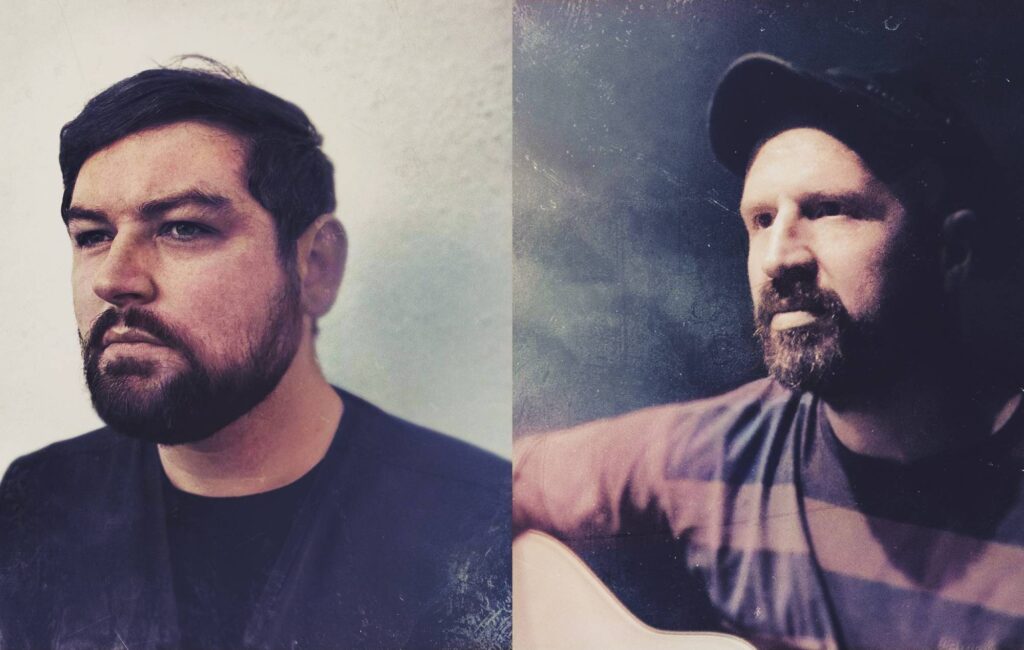
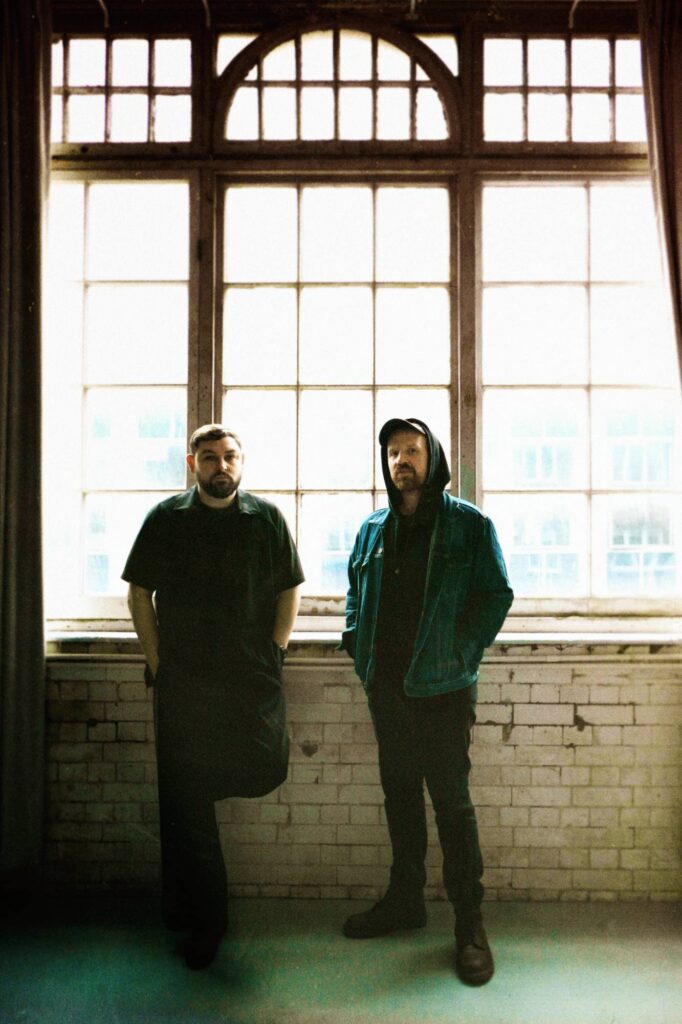
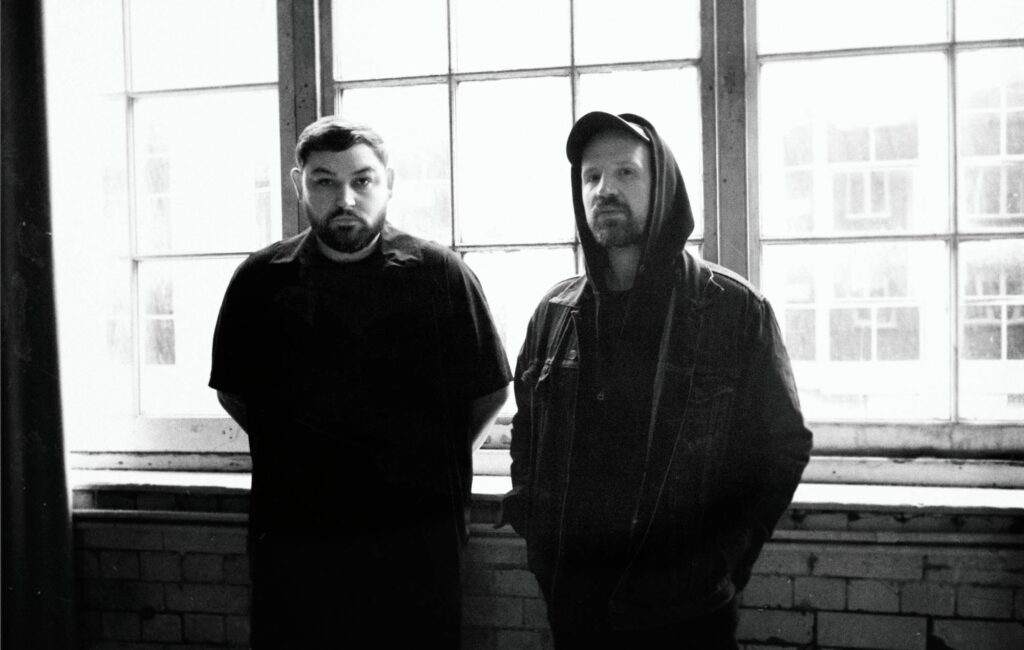
The Twilight Sad have opened up about the long, punishing journey toward It’s The Long Goodbye, their first album in seven years — a record shaped by grief, mental health struggles and frontman James Graham losing his mother to dementia. Speaking candidly, the band describe the album as both an emotional document and a form of survival.
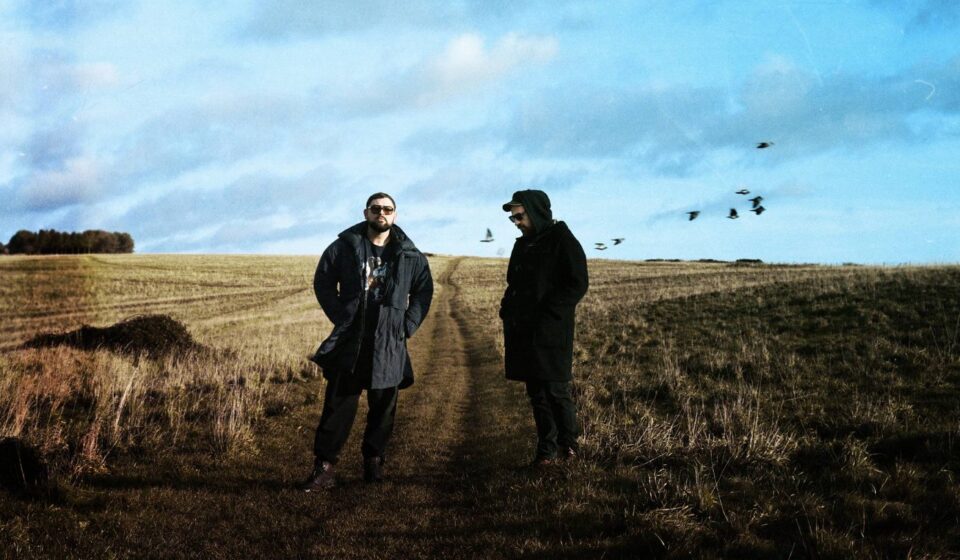
The duo’s sixth studio album follows 2019’s It Won’t Be Like This All The Time and arrives after an unusually long gap, one defined by personal upheaval rather than creative stagnation. Previewed by the lead track “Waiting For The Phone Call” and the newly released “Designed To Lose”, the album captures the collision of light and darkness that Graham experienced while simultaneously becoming a father and watching his mother’s health deteriorate.
At its core, It’s The Long Goodbye is a deeply reflective and emotionally raw work — one that explores what it means to live, to lose, and to keep going when everything feels uncertain.
“There were a couple of things that genuinely kept me going,” Graham explains. “One was being a dad and making sure I was present, especially when I was unwell. That’s my number one responsibility. The other thing was these songs we were writing.”
Looking back, he believes the album needed the full seven years to exist properly. “I can now trace the songs to different points — the start, the absolute worst of it, and after my mum had died. It documents that entire period and what was going on inside my head. When I finally heard the masters, it felt like a massive weight lifted. I thought: I’ve done it. I’ve got this out of me. It’s the strangest form of therapy imaginable.”
For Graham, the process clarified why he writes music at all. “This is such a human experience. Everyone is going to face something like this in their life, even if it looks different. We all carry things. I wanted people to hear it and think: someone else felt this too.”
The years between albums weren’t quiet ones for the band. During that time, The Twilight Sad toured extensively with The Cure, personally chosen by Robert Smith as a support act across multiple world tours. But at one point, the weight of everything Graham was dealing with became too heavy.
“There was a South American tour coming up — something I’d dreamed of my entire life,” he recalls. “Stadiums with The Cure, places I’d always wanted to see. But things were piling up at home. My mum was in the last months of her life, and mentally I was in a terrible place. It started to show physically. I had serious stomach problems and wasn’t telling anyone. I was doing the opposite of what I always told others to do.”
Eventually, his body forced the decision. “Every morning I woke up feeling hopeless. One day I just couldn’t move. My body said: ‘I’m done.’ The most important thing wasn’t being in a band — it was being a dad, being part of my family. If I’d gone on that tour, it would have destroyed me.”
After stepping back, Graham focused on recovery, supported closely by bandmate and lifelong friend Andy MacFarlane, as well as trusted friends who understood what he was facing. Messages of support from people he admired deeply reinforced that he wasn’t alone.
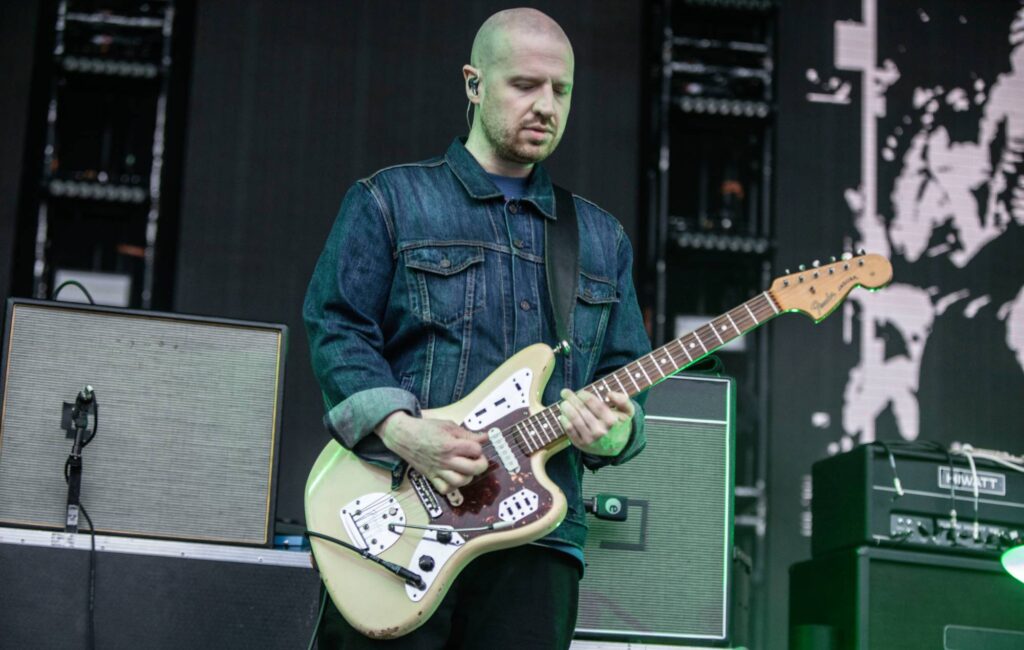
Throughout the making of the album, MacFarlane took the lead musically, shaping dense, textured soundscapes that allowed Graham the space to be brutally honest. The record also features contributions from close collaborators, adding drums, bass and additional production layers that deepen its emotional weight.
“This album is very direct,” Graham explains. “I used to hide behind metaphors. This time I told myself: if you’re doing this, don’t hold back. Go all in.”
The subject of dementia looms heavily across the record. Graham describes it as a slow, cruel form of grief — losing someone repeatedly while they’re still alive. “My mum lost her speech early. She couldn’t tell us how she was feeling, physically or mentally. You’re watching someone disappear in front of you. Everything else in life just vanishes.”
At the same time, he was witnessing the beginning of life through his child. “I was watching a life grow while the person who gave me life was fading. Those paths crossing — it was incredibly hard to process.”
Turning those emotions into lyrics was both painful and necessary. “The album is from my perspective, but I also tried to see it from hers, and from the rest of my family. There are no answers. Every day was different.”
MacFarlane, who has shared a friendship with Graham since school, explains that the band consciously balanced darkness with movement and colour. “The music isn’t all downbeat. It’s quite heavy, quite guitar-driven, but there’s energy in it. We wanted optimism in there too — even the artwork uses bright colours.”
For both of them, finishing the album brought relief. “Getting it recorded was the easy part,” Graham admits. “Getting there was brutal. We pushed ourselves mentally to make this happen. But I can listen to it now and feel proud. Andy built something that carried me through it.”
There were moments when Graham wasn’t sure whether the album would ever be released, or whether he’d be able to face touring again. “I think we’ll write music together for the rest of our lives. Whether that always means albums and tours, I don’t know. Nothing lasts forever. I don’t want to do this because I have to. I need a reason.”
That reason, now, is connection. “I miss singing. I miss being in a room with people who care deeply. Sharing that feeling of not being alone is powerful. I’m still anxious, but I’ve pushed myself as a writer and a vocalist. What’s the point of a sixth album if you’re not challenging yourself?”
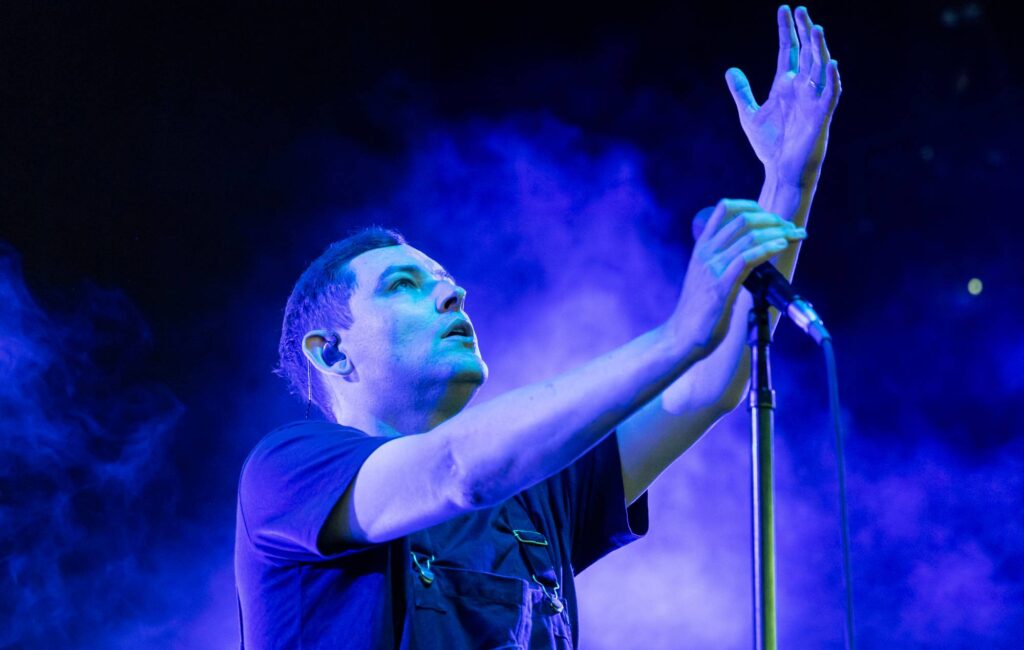
The upcoming live shows will allow the songs to fully breathe. Projections, visuals and space will help translate the emotional intensity of the record to the stage. For Graham, it feels like starting again — stepping into something unknown, but necessary.
“I’m taking things day by day,” he says. “This industry is obsessed with what’s next. I just want to live in this moment. I love writing with Andy. I love playing shows. Even after six albums, it feels like the beginning again — because I feel like a different person.”
It’s The Long Goodbye is not just an album born of loss, but one shaped by endurance, honesty and the understanding that pain, however isolating it feels, is something every human eventually shares.