
5 Takeaways From Drake’s Iceman, Habibti, and Maid of Honour
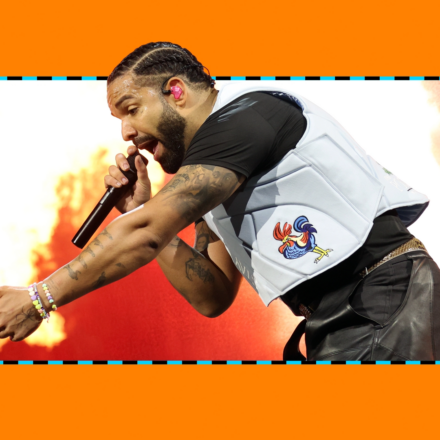
First off: condolences to Toronto. Drake’s Iceman rollout turned downtown into a live-action spectacle—blocks of ice dropped into public spaces, the CN Tower repurposed as a projection screen, and explosive set pieces that reportedly unsettled residents still haunted by a 2008 propane plant incident. What was billed as a long-awaited return—his first solo project since 2023’s For All the Dogs—quickly spiralled into a maximalist promotional campaign seemingly engineered for livestream chaos and meme culture alike. But the biggest twist arrived during a May 14 stream previewing Iceman, when Drake revealed the project wasn’t a solo drop at all: it came packaged with two companion albums, Habibti and Maid of Honour.
Altogether, the release delivered 43 new tracks—nearly two and a half hours of music—spanning moods, aesthetics, and personas. It’s less a single album cycle than a sprawling triptych of Drizzy at full throttle.
Surprise! It’s Triplets
Rather than a traditional rollout, Drake effectively splits his output into three distinct sonic identities. Iceman plays like the flagship rap record, heavy on maximalist production and big-stage energy. Habibti leans into a softer, more emotionally saturated space reminiscent of his “Heartbreak Drake” era, filtered through R&B textures and restrained acoustic stylings. Meanwhile, Maid of Honour pivots toward club-driven rhythms and high-tempo dance experiments, positioning itself as the most summer-ready of the trio. The result is less cohesion than controlled overload—a deliberate flooding of the market that blurs the line between ambition and excess.
Smoke For Everyone
Unsurprisingly, the rollout doubles as a public accounting of unresolved tensions. On multiple tracks, Drake revisits his feud with Kendrick Lamar, alternating between barbed references and broader industry grievances. He takes aim at peers across rap and pop culture alike, weaving criticism of collaborators, rivals, and institutions into a dense web of lyrical callouts. Even beyond direct targets, there’s a recurring sense of fractured alliances—former friends, industry figures, and cultural gatekeepers all absorbed into the narrative of fallout and recalibration.
Make New Friends, But Keep the PND
Despite the chaos, the albums are stacked with features that reinforce Drake’s long-standing network of collaborators. Familiar voices surface throughout, from frequent partners like PartyNextDoor to appearances by 21 Savage and other recurring affiliates. The projects also introduce newer names into his orbit, expanding the sonic palette without abandoning core relationships. One of the most notable returns comes from Future, marking a renewed link between two artists whose previous collaborations helped define an era of trap-R&B fusion.
UMG Woes
Beneath the spectacle, a more strategic undercurrent runs through the trilogy: Drake’s increasingly fraught relationship with Universal Music Group. Amid speculation about contractual obligations and potential exits, lyrics across the projects hint at frustration with label structures and a desire for greater autonomy. The tension is not just implied in interviews or rollout theory—it is embedded directly into the music, turning the albums into both artistic statement and industry negotiation.
If The Sequin Glove Fits
Visually and sonically, Iceman leans into iconography associated with larger-than-life superstardom. The imagery evokes legacy pop spectacle, positioning Drake in conversation with generational figures of global music fame. But that ambition also invites scrutiny: the more he leans into mythmaking, the more the narrative around him becomes contested, layered with both chart dominance and cultural critique. The result is a project that feels as much about image construction as it does about music itself.
Bonus: Select Bars for the Road
Across the trilogy, flashes of diaristic writing and dark humour cut through the noise, offering fragmented glimpses into mental fatigue, ego, relationships, and surreal introspection. These moments, scattered across the sprawling runtime, reinforce the sense that beneath the spectacle, the albums are still anchored in personal confession—even if filtered through maximalist excess and strategic chaos.