CFCF’s L.U.V. review
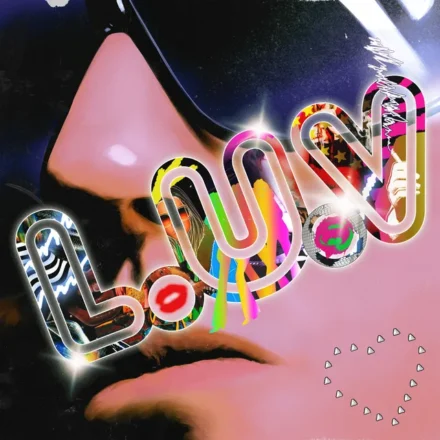
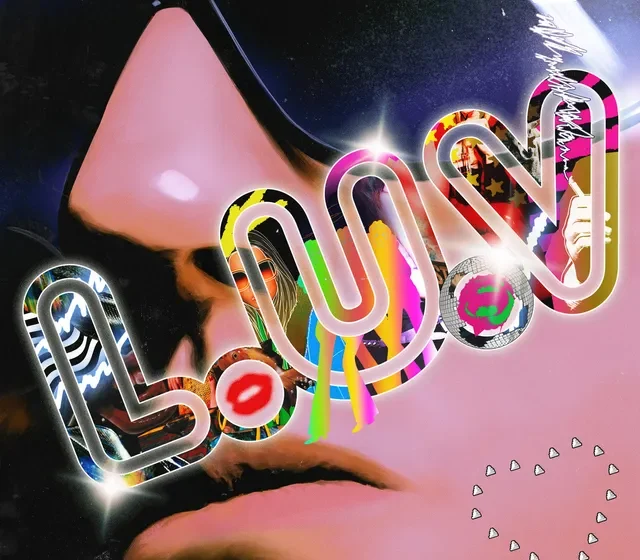
Somewhere in the machinery of fashion forecasting, teams of analysts decide what cultural textures will define the next season: silhouettes rise and fall, aesthetics rotate, and nostalgia is packaged into trend cycles. In that same spirit of curatorial precision, Montreal producer Michael Silver—better known as CFCF—functions like a one-man cultural archivist, quietly mapping out how past sonic eras can be reimagined for the present. After exploring Y2K-flavored electronica on his previous release Memoryland, he now turns his attention to the glittering, high-gloss dance-pop of the 2000s and early 2010s on L.U.V. (short for Life in Ultra Violet), reshaping familiar textures into something at once ironic and deeply affectionate.
On L.U.V., CFCF constructs a stylized reconstruction of dance-pop’s most neon-lit era—an era defined by sleek synths, glossy hooks, and a kind of euphoric artificiality. The record draws from a wide palette of influences, echoing the luminous French touch of Alan Braxe and Fred Falke, the playful circuitry of Fischerspooner, the elastic grooves of Basement Jaxx, the robotic funk of Daft Punk, and the pristine emotional immediacy of Kylie Minogue. Yet rather than simply replicating these sounds, Silver filters them through a contemporary lens, turning nostalgia into a kind of reflective commentary—both celebration and critique at once.
Thematically, L.U.V. revolves around pop music’s most enduring subject—love—but filters it through layers of irony, detachment, and exaggerated desire. Lyrics and vocal fragments drift between sensual excess and emotional emptiness, often leaning into deliberate contradiction: songs gesture toward hedonism and disillusionment while simultaneously revealing a genuine attachment to the soundworld they inhabit. This tension becomes part of the album’s identity, where sincerity and satire blur until they are almost indistinguishable.
That duality is especially evident in tracks that embrace overtly provocative or absurd imagery, only to undercut it with melodic charm and structural precision. References to excess, intimacy, and alienation are delivered with a wink, yet the production never fully lets go of emotional weight. Even the album’s most tongue-in-cheek moments feel anchored by a real fascination with pop’s capacity to oscillate between surface pleasure and hidden melancholy.
One of the record’s central ideas is the uneasy relationship between taste and enjoyment. On standout moments like “Bad Song,” that tension becomes explicit: the discomfort of liking music that is deemed unserious or disposable is reframed as a kind of liberation. The album suggests that abandoning aesthetic guilt opens the door to a more expansive listening experience—one where joy is not dependent on critical approval. This idea runs throughout L.U.V., where indulgence in “trashy” or overly familiar pop sounds becomes an act of creative reclamation rather than irony alone.
Across its runtime, the album also plays with cultural recycling, reworking fragments of earlier indie and electronic scenes into new contexts. Familiar melodic shapes and rhythmic motifs are lifted, reshaped, and recontextualized, creating a sense of déjà vu that feels intentional rather than derivative. In doing so, CFCF highlights how pop history continuously loops back on itself, each generation remixing the last with varying degrees of sincerity.
Ultimately, L.U.V. resists easy categorization as either parody or homage. Instead, it exists in the fertile in-between space where affection and irony coexist without canceling each other out. The album’s strength lies in its willingness to embrace contradiction—loving the very sounds it gently critiques, and critiquing them precisely because of that love. In that sense, it becomes less a retrospective and more a living dialogue with pop’s past, one that treats nostalgia not as an endpoint, but as raw material for reinvention.