

Do Musicians Take Part in Revshare Programs? Real Examples from the Music Industry
Revenue share is often discussed as a marketing concept, but it has quietly become one of the main ways creative professionals earn a living. Partners moving away from flat CPA usually start by reviewing revshare for iGaming affiliate programs and how negative carryover is handled in each one. Musicians, meanwhile, encounter the very same model in a completely different setting: streaming royalties, platform monetization, and gear affiliate deals are all, at their core, revenue share arrangements. So do musicians actually participate in revshare programs? The answer is yes — far more often than most of them realize.
Table Of Content
Streaming Royalties: Revshare by Another Name
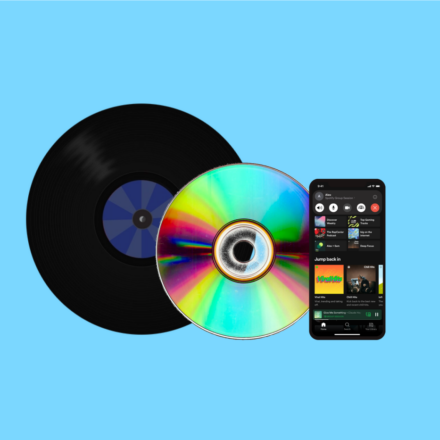
The largest revshare system musicians belong to is streaming itself. Platforms like Spotify and Apple Music don’t pay a fixed fee per song; they pool subscription and ad revenue and distribute a share of it to rights holders based on listening activity. An independent artist distributing through services like DistroKid, TuneCore, or CD Baby is effectively enrolled in a massive revenue share program where their “commission” depends on their slice of total streams. It’s not marketed as revshare, but the mechanics are identical: recurring income tied to ongoing consumption rather than a one-time payout.
Video and Live Platforms
YouTube’s Partner Program is one of the clearest examples: creators, including musicians, receive a percentage of the advertising revenue their videos generate, and music channels with steady catalogs can earn from uploads made years ago. Twitch operates similarly for live performers, splitting subscription revenue between the platform and the streamer. For musicians who perform live sets, teach, or share production sessions, these platforms turn an audience into a recurring revenue stream — the defining feature of any revshare arrangement.
Gear and Software Affiliate Programs
Beyond their own music, many artists join classic affiliate revshare programs in the music niche. Retailers such as Sweetwater, Thomann, and Guitar Center have long run affiliate schemes, and music software companies — makers of DAWs, plugins, and virtual instruments — frequently offer commissions on sales referred by producers and content creators. A producer who reviews plugins on YouTube and links to them in the description is doing textbook affiliate marketing, often with recurring commissions when the product is subscription-based.
Sample Marketplaces and Collaborative Revshare
Platforms like Splice pay contributing sound designers based on how often their samples are downloaded by subscribers — a usage-based revenue share drawn from the subscription pool. Similarly, sync libraries and production music catalogs split licensing income with composers on agreed percentages. Even co-writing itself is a form of revshare: splits agreements divide future royalties among collaborators for the life of the song.
Referral Programs Within the Music Industry
Some music services reward artists for bringing in other artists. Distribution platforms and music education services have offered referral commissions or recurring discounts for each signup, letting established musicians monetize their influence within the community itself.
Why Revshare Suits Musicians
Musicians’ careers are built on catalogs — bodies of work that keep generating value long after release. Revshare models match that reality far better than one-time payments do: a song, a tutorial, or an affiliate review keeps earning as long as people keep engaging with it. The trade-off is the same one every affiliate faces: income starts small and depends on retention and volume, so patience and consistent output matter more than any single hit.
Final Thoughts
From streaming pools to gear affiliate deals, musicians are deeply embedded in revenue share economics, even when the word “revshare” never appears in their contracts. For artists looking to diversify income, the practical move is to treat their existing audience as an asset: pick products they genuinely use, join one or two reputable programs, and let recurring commissions grow alongside their catalog. As always, commission structures and program terms change frequently, so it’s worth verifying current conditions on each platform’s official pages before signing up.